
Introduction
In industrial and commercial facilities, visual safety communication plays a vital role in maintaining order, reducing risks, and improving workflow efficiency.
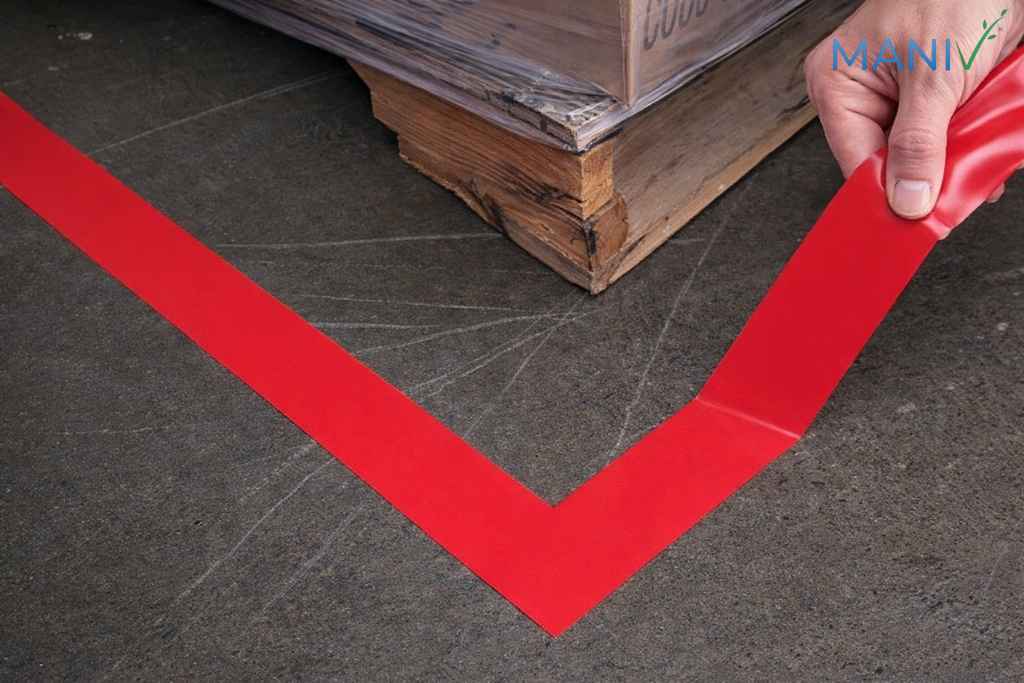
One of the most commonly used tools for this purpose is Floor Marking Tape, which helps define walkways, hazard zones, storage areas, and restricted sections. However, simply applying tape to the floor is not enough. Incorrect colour selection, inconsistent usage, or poor planning can lead to confusion rather than clarity.
This is where proper planning of Floor Marking Tape Codes becomes important. When codes are assigned without a structured approach, safety objectives may not be achieved.
This blog highlights seven common mistakes organisations make when assigning floor marking tape codes and explains how avoiding them can significantly improve workplace safety and compliance.
7 Common Mistakes in Assigning Floor Marking Tape Codes
1. Using Colours Without a Defined Meaning
One of the most common mistakes is using colours randomly without clearly defining what each colour represents. When colours are chosen based on availability or preference rather than purpose, employees may interpret markings differently. Without standard definitions, a colour meant for caution in one area might be mistaken for a safe zone in another.
A clear internal guideline for colour meanings ensures consistency across departments and locations, reducing misinterpretation and safety risks.
2. Ignoring Industry or Internal Standards
Many facilities fail to align their markings with recognised safety standards or internal protocols. While regulations may vary by industry, having a structured framework is essential. Ignoring such references leads to non-uniform layouts, making it difficult for workers and visitors to understand markings quickly.
Following established frameworks also simplifies training and auditing, ensuring that Floor Marking Tape Codes remain consistent over time.
3. Overusing Too Many Colours
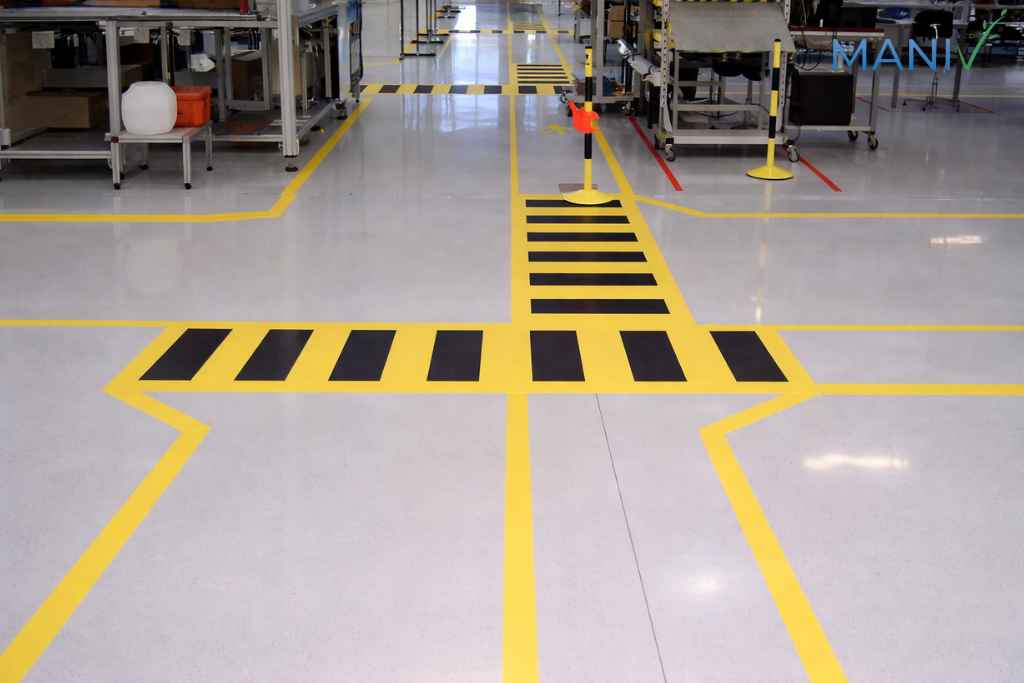
Another frequent issue is the excessive use of colours. When too many colours are applied without clear differentiation, the floor becomes visually cluttered. Instead of guiding movement, the markings create confusion.
Effective systems use a limited number of well-defined colours. This improves visibility and makes it easier to identify Top Floor Marking Tape solutions that work efficiently in busy environments.
4. Applying the Same Tape Size Without Considering Traffic Load
A common mistake is applying floor marking tape without adjusting its size for traffic intensity. While colour codes should always remain consistent, the width and visual strength of the tape must be selected based on movement frequency and load. High-traffic zones such as forklift routes or loading areas require wider, more prominent tape to maintain visibility and withstand wear. Using narrow or light-duty markings in these areas often leads to faster deterioration and reduced clarity. Evaluating traffic patterns helps determine the appropriate tape size, ensuring markings remain visible, effective, and aligned with established code standards over time.
5. Failing to Train Employees on Code Meanings
Even well-designed marking systems fail if employees are not educated about them. Assuming that everyone understands the meaning of colours can lead to misuse of spaces or accidental entry into restricted zones.
Regular training and clear visual references ensure that staff understand and respect the markings. This improves compliance and ensures the markings achieve their intended purpose.
6. Neglecting Maintenance and Periodic Review
Floor markings are not a one-time task. Over time, tapes may fade, peel, or lose adhesion due to wear and environmental conditions. A common mistake is failing to inspect and update markings regularly.
Routine checks help identify areas that need replacement or adjustment. While evaluating replacements, organisations often consider when to Buy Floor Marking Tape based on long-term performance rather than short-term cost.
7. Choosing Tape Based Only on Price
Cost-focused decisions without considering performance often result in poor outcomes. Low-quality tapes may seem economical initially but require frequent replacement, increasing downtime and maintenance costs.
Selecting solutions that balance visibility, durability, and adhesion ensures better value over time. This approach helps facilities consistently rely on Top Floor Marking Tape options that support safety goals without recurring issues.
Why Choose Maniv Tapes?

Maniv Tapes understands the importance of clear, durable, and consistent floor marking systems. Our products are designed to support structured coding systems that improve workplace organisation and safety. Each tape is developed to deliver reliable adhesion, high visibility, and resistance to wear in demanding environments.
By focusing on application-specific performance, Maniv Tapes helps facilities avoid common mistakes associated with improper marking practices. Our solutions support long-term clarity, making it easier for safety managers to maintain effective visual communication.
Conclusion
Assigning floor marking codes is a strategic safety decision, not just an operational task. Avoiding common mistakes such as inconsistent colour usage, lack of training, and poor material selection can significantly improve workplace safety and efficiency.
A well-planned marking system supported by durable materials ensures clarity, compliance, and reduced risk. With the right approach and thoughtful implementation, floor markings become a powerful tool for maintaining organised, safe, and efficient industrial environments.