
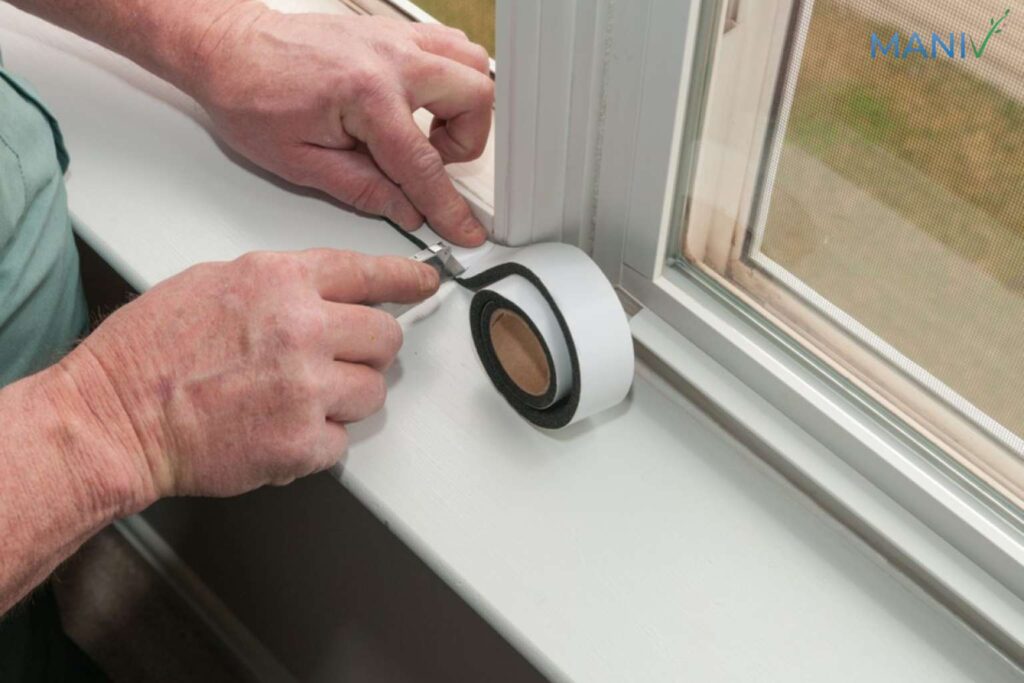
Energy efficiency and indoor comfort are increasingly important in both residential and commercial buildings. One simple yet highly effective solution used to minimise heat loss and air leakage is Window Insulation Tape.
Commonly applied around window frames and glazing joints, this tape helps seal small gaps that allow cold air to enter and warm air to escape. While often overlooked, these gaps can significantly impact indoor temperature control and energy consumption.
Window insulation tapes are widely used in homes, offices, warehouses, and industrial buildings where maintaining stable indoor conditions is essential. Understanding how this tape works and where it delivers the most benefit helps users make informed decisions about insulation and long-term energy efficiency.
How Window Insulation Tape Works?
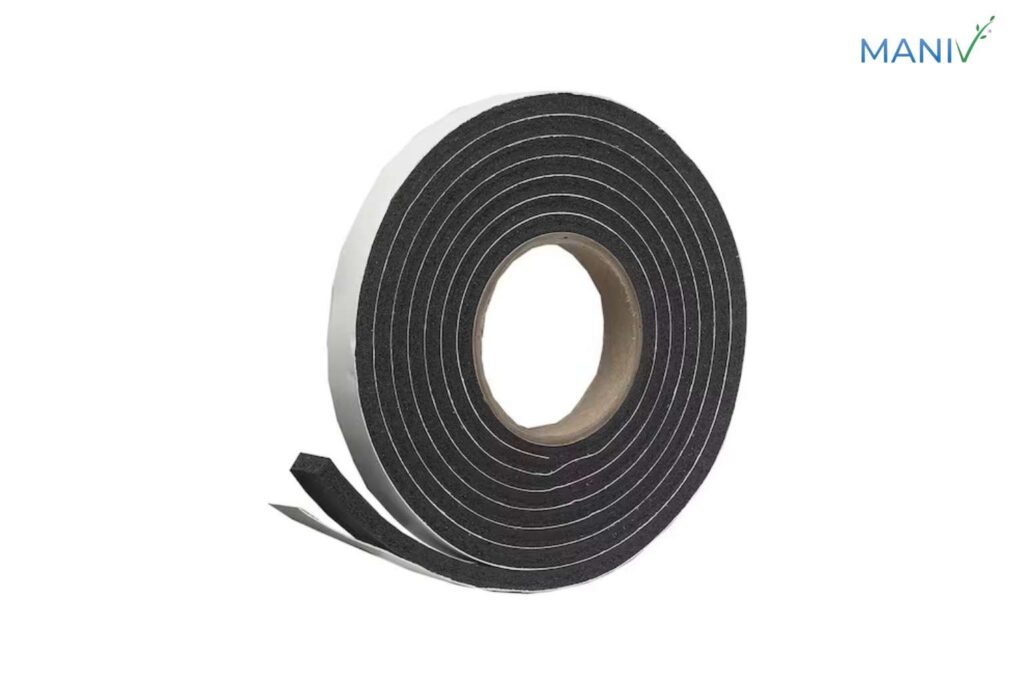
Window insulation tape works by creating an airtight seal around areas where air infiltration commonly occurs. These areas include window edges, frame joints, and minor gaps between glass panes and surrounding structures. Once applied, the tape forms a continuous barrier that restricts airflow and reduces thermal transfer.
The adhesive layer ensures firm bonding to surfaces such as glass, aluminium, wood, or PVC frames. At the same time, the backing material provides flexibility, allowing the tape to adapt to slight surface irregularities without lifting. This combination of adhesion and conformability ensures consistent sealing throughout seasonal temperature changes.
By limiting drafts and preventing heat exchange, insulation tapes help maintain indoor temperature stability. This reduces the workload on heating or cooling systems, contributing to improved energy efficiency and lower operational costs.
5 Key Types of Window Insulation Tapes
- Different insulation needs require different tape constructions. Some tapes are designed for temporary seasonal use, while others are intended for long-term applications.
- Transparent insulation tapes are commonly used where visibility matters. They blend with window surfaces without affecting appearance, making them suitable for residential and office settings.
- Foam-based insulation tapes provide additional thickness and cushioning. These are used where gaps are slightly uneven or wider, offering improved sealing performance.
- Weather-resistant variants are designed to withstand moisture, temperature changes, and UV exposure. These are ideal for exterior-facing applications or areas exposed to fluctuating environmental conditions.
- Selecting the Best Window Insulation Tape depends on factors such as gap size, surface type, and whether the application is temporary or permanent.
Applications of Window Insulation Tape
Window insulation tape is used across various environments due to its adaptability and ease of application.
In residential buildings, it is applied around windows and balcony doors to reduce drafts during colder months. This helps maintain warmth without major structural modifications.
In commercial spaces, insulation tapes support climate control by sealing window joints in offices, retail outlets, and hospitality settings. This contributes to consistent indoor comfort for occupants.
Industrial facilities use insulation tapes in control rooms, storage areas, and administrative sections where temperature stability is important for both personnel and equipment.
Many users consider long-term performance alongside Window Insulation Tape Price, focusing on durability and sealing effectiveness rather than short-term cost savings.
Benefits of Using Window Insulation Tape
One of the primary benefits is improved energy efficiency. By reducing air leakage, buildings retain conditioned air more effectively.
Another advantage is ease of installation. Most insulation tapes can be applied without specialised tools, making them accessible for both professional installers and end users.
The tape also helps reduce dust ingress and external noise by sealing micro-gaps around windows. This enhances indoor comfort beyond temperature control.
Choosing the Best Window Insulation Tape ensures that these benefits are maintained over time, even under varying environmental conditions.
Why Choose Maniv Tapes?
Maniv Tapes focuses on developing insulation solutions that perform reliably under practical usage conditions. Our insulation tapes are designed to provide consistent adhesion, flexibility, and sealing performance across different window types and surface materials.
As part of our broader portfolio of Maniv industrial tapes, we ensure each product meets quality standards suitable for both commercial and industrial environments. Our solutions are developed with attention to material compatibility, durability, and ease of application.
Backed by experience in Maniv adhesive tapes, Maniv supports customers with products that deliver dependable performance without unnecessary complexity. Our insulation tapes also align with broader safety and facility maintenance needs, complementing solutions found within Maniv safety tapes and Maniv marking tapes used in structured environments.
Conclusion
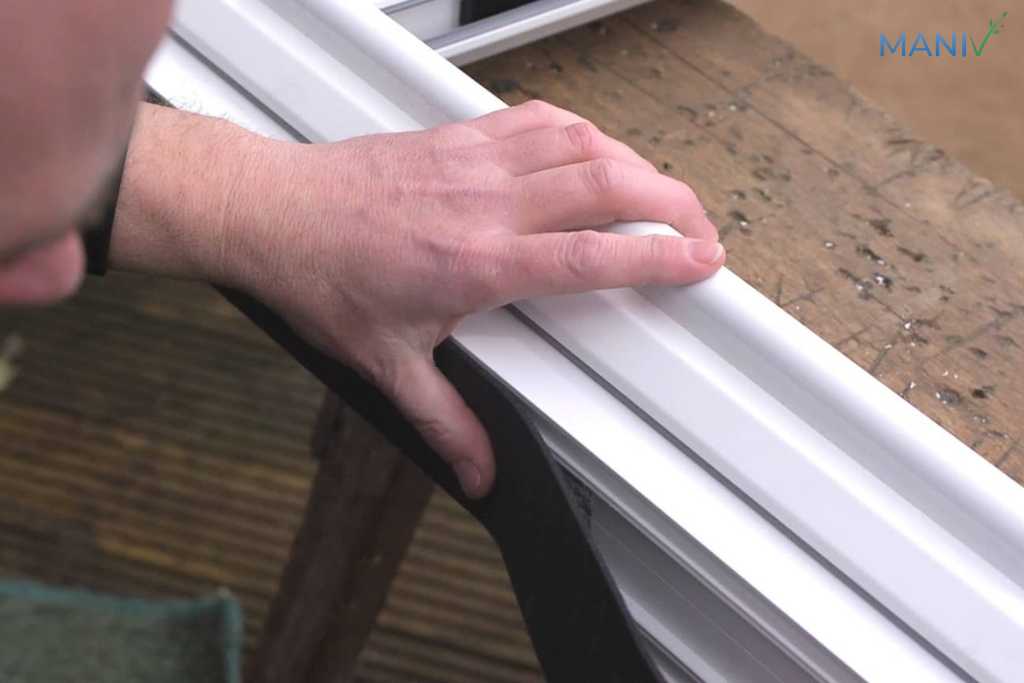
Window insulation tape is a practical and efficient solution for improving indoor comfort and energy efficiency. By sealing gaps around windows, it reduces heat loss, limits drafts, and supports stable indoor temperatures across seasons.
Understanding how insulation tape works and selecting the right type ensures long-term benefits without major installation efforts.
Whether for residential, commercial, or light industrial use, choosing a well-designed product and applying it correctly can make a noticeable difference in energy performance.
When planning to Buy Window Insulation Tape, focusing on quality, compatibility, and durability ensures effective insulation and lasting results.